Four people, one workshop and a lot of samphire
Saltgrass makes oils, balms and washes in Whitstable, on the north Kent coast.
How it started
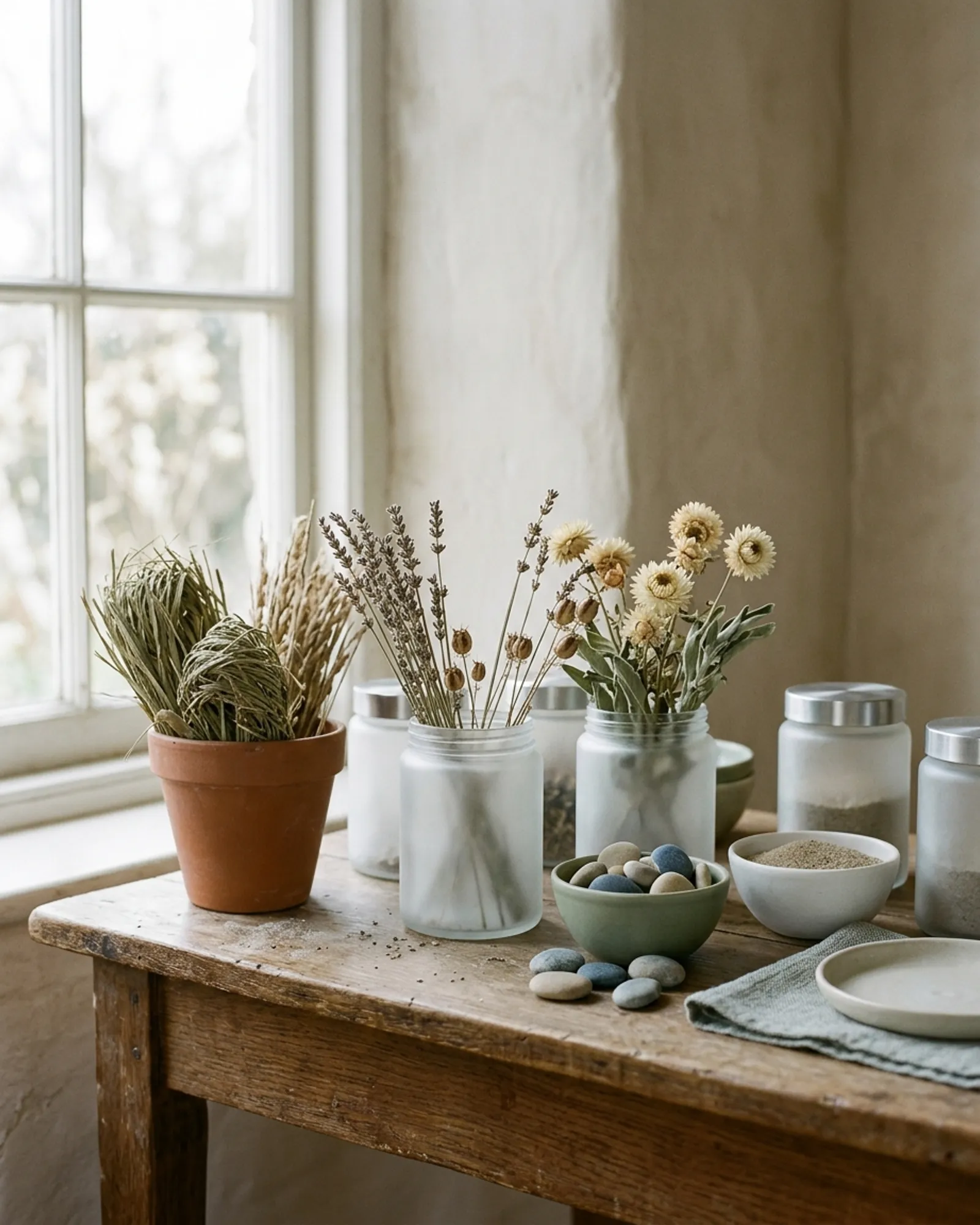
Saltgrass began on a kitchen table with a pan of beeswax and a bag of samphire bought on the harbour. The first balm was for hands that had spent a winter in cold water and wet rope. Friends asked for a jar, then their friends did.
Now there are four of us in a workshop two streets back from the harbour, with a long bench, a window onto the yard and shelves of jars waiting for labels. We still make everything ourselves, a few hundred jars a week.
We make the things we use. Plain, useful, and a little salty.
How a batch is made
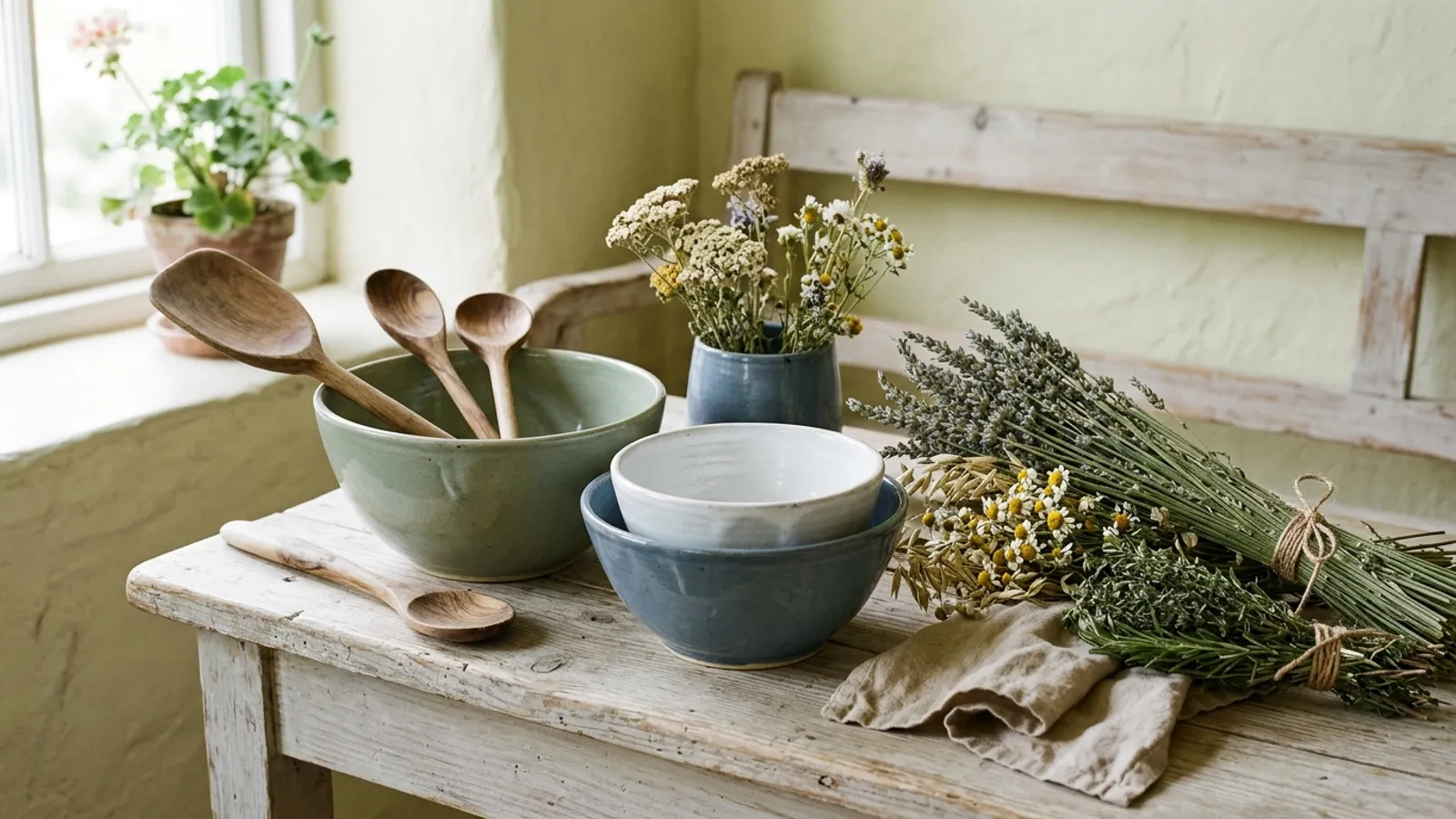
Small batches by hand, from weighing to the label.
Weigh
Oils, butters and waxes are weighed by hand for each batch of about two hundred jars.
Warm
Everything melts together slowly in a water bath, never hotter than it needs to be.
Pour
Every jar and bottle is filled at the long bench; balms and candles are left to set overnight.
Label
Each batch is checked, dated and packed in card boxes with paper tape.
Where it comes from
Most of it from within twenty miles of the workshop.
- Rapeseed oil
- Cold-pressed on a farm near Faversham, eight miles west along the coast.
- Samphire and kelp
- Gathered by hand on the north Kent shore in late summer, a little at a time.
- Beeswax
- From hives on a smallholding outside Canterbury.
- Oyster shell
- Collected from Whitstable restaurants, then cleaned and ground for the bath soak.
- Glass
- Frosted jars and bottles that can be refilled at the workshop or recycled at home.
Demo store by Marcin Marciszewski. Nothing here is for sale.
Saltgrass, its workshop, suppliers and products are made up. The shop is here to show how a small brand can sell online: a catalogue with filters, a bag that remembers what is in it, and a checkout that checks.
How this shop was built